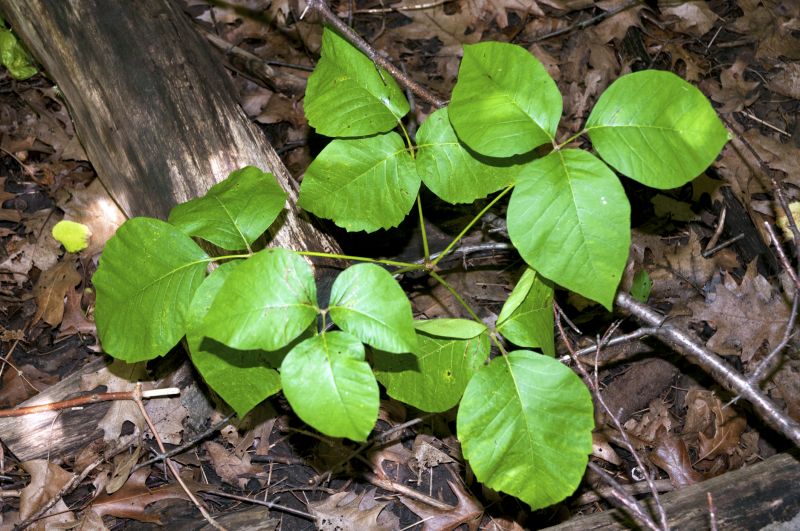
Poison Ivy Removal in Philadelphia, PA
Poison ivy removal services focus on safely eliminating this invasive plant from residential properties, including yards, gardens, and wooded areas. These services typically involve identifying the presence of poison ivy, carefully removing the plants, and disposing of the debris to prevent re-growth. Projects can range from clearing small patches in landscaped gardens to extensive removal in larger wooded or overgrown areas, helping property owners maintain safe and enjoyable outdoor spaces free from the skin-irritating plant.
Property owners considering poison ivy removal usually want to understand the scope of the work, including how the plants will be identified and removed, and what precautions are taken to ensure safety. It’s also helpful to know whether the removal process includes follow-up treatments or advice on preventing future growth. Proper removal can reduce the risk of skin irritation and allergic reactions, making outdoor areas safer for families, pets, and visitors.
Many property owners in Philadelphia, PA look into Poison Ivy Removal for repairs, replacements, upgrades, and appearance-related improvements.
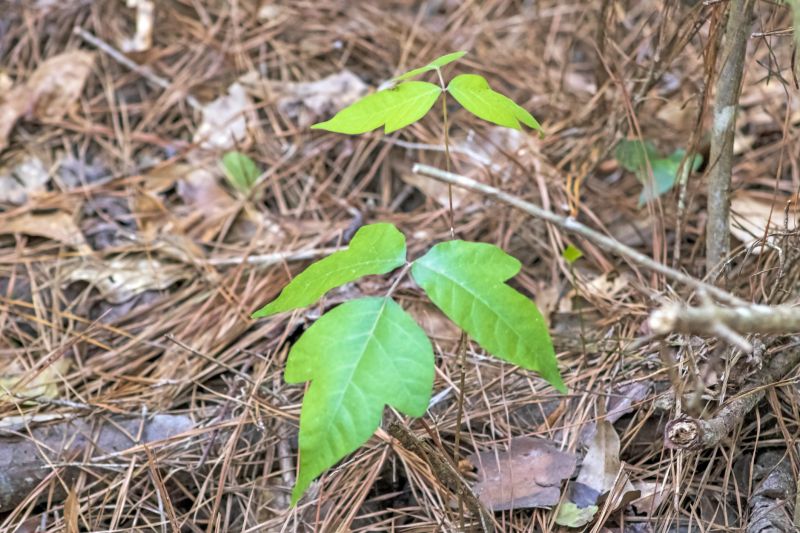
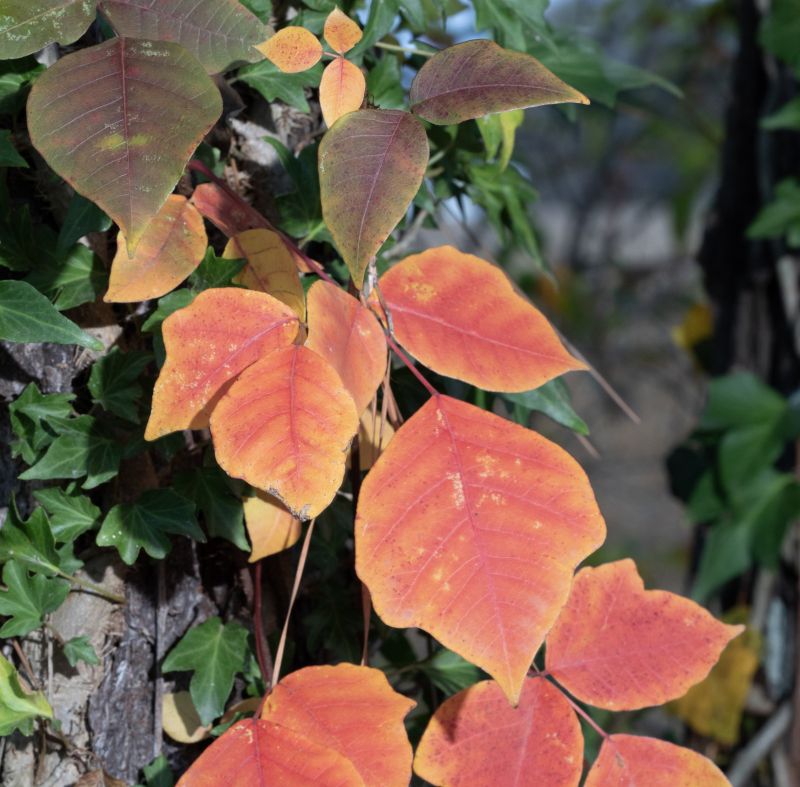
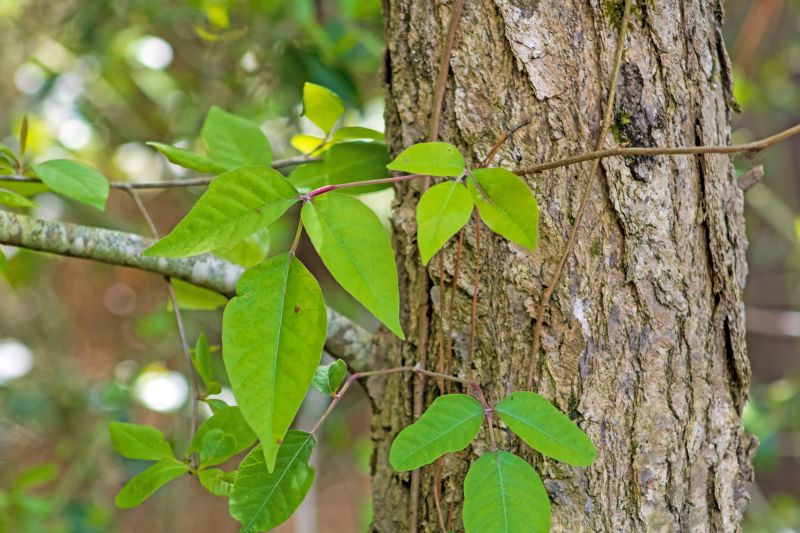
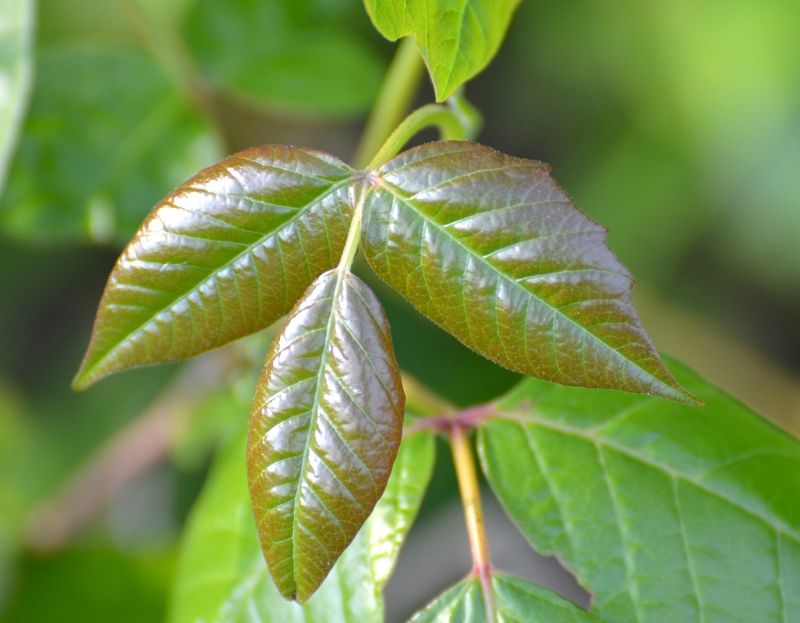
Identifying Poison Ivy
Recognizing the signs of poison ivy on residential and commercial properties in philadelphia.
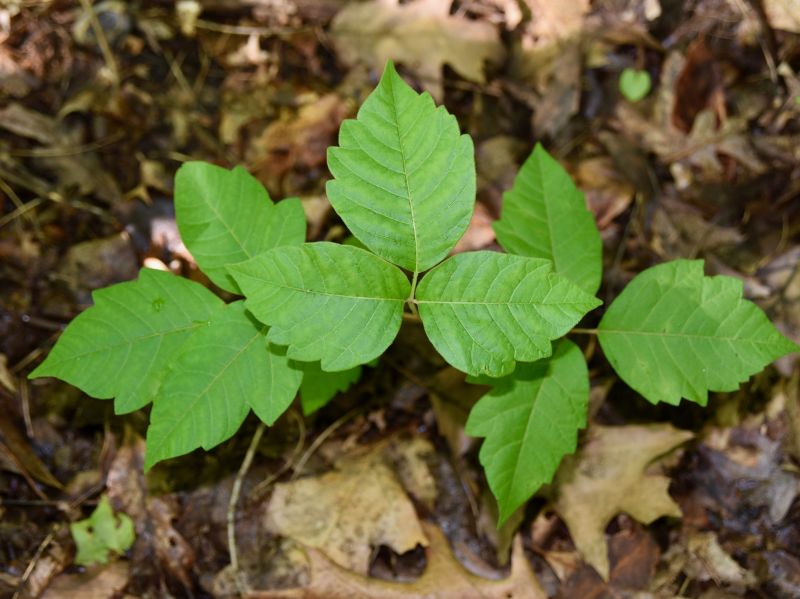
Safe Removal Techniques
Effective methods to eliminate poison ivy while protecting surrounding plants and landscapes.
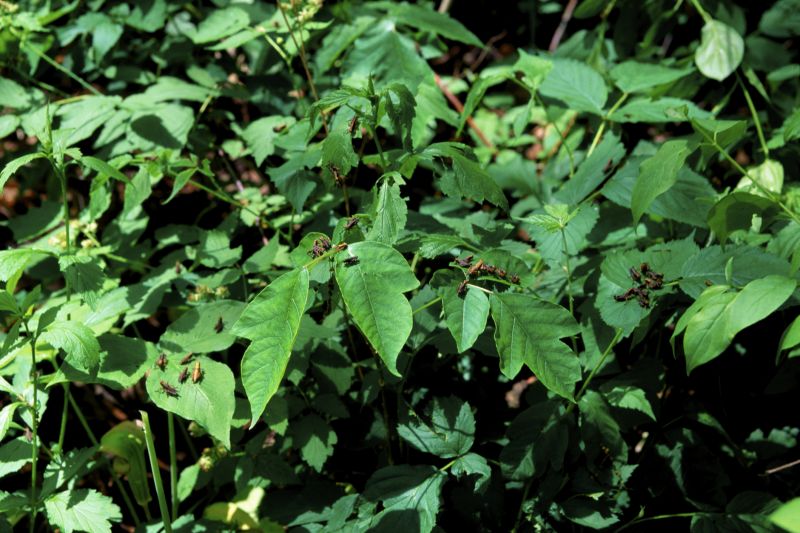
Preventative Measures
Strategies to reduce the risk of future poison ivy growth on your property.
Poison Ivy Removal in Philadelphia, PA
Poison ivy removal services focus on safely eliminating this invasive plant from residential properties, including yards, gardens, and wooded areas. These services typically involve identifying the presence of poison ivy, carefully removing the plants, and disposing of the debris to prevent re-growth. Projects can range from clearing small patches in landscaped gardens to extensive removal in larger wooded or overgrown areas, helping property owners maintain safe and enjoyable outdoor spaces free from the skin-irritating plant.
Property owners considering poison ivy removal usually want to understand the scope of the work, including how the plants will be identified and removed, and what precautions are taken to ensure safety. It’s also helpful to know whether the removal process includes follow-up treatments or advice on preventing future growth. Proper removal can reduce the risk of skin irritation and allergic reactions, making outdoor areas safer for families, pets, and visitors.
Many property owners in Philadelphia, PA look into Poison Ivy Removal for repairs, replacements, upgrades, and appearance-related improvements.
Common Poison Ivy Removal Jobs
Poison Ivy Removal - safe elimination of invasive plants from residential landscapes.
Yard Clearing - removal of poison ivy from lawns, gardens, and wooded areas.
Tree and Shrub Treatment - targeted removal around trees, shrubs, and fence lines.
Property Cleanup - disposal of removed plants to maintain a tidy yard.
Preventative Measures - advice on avoiding future poison ivy growth.
Site Assessment - evaluation of affected areas to plan effective removal strategies.
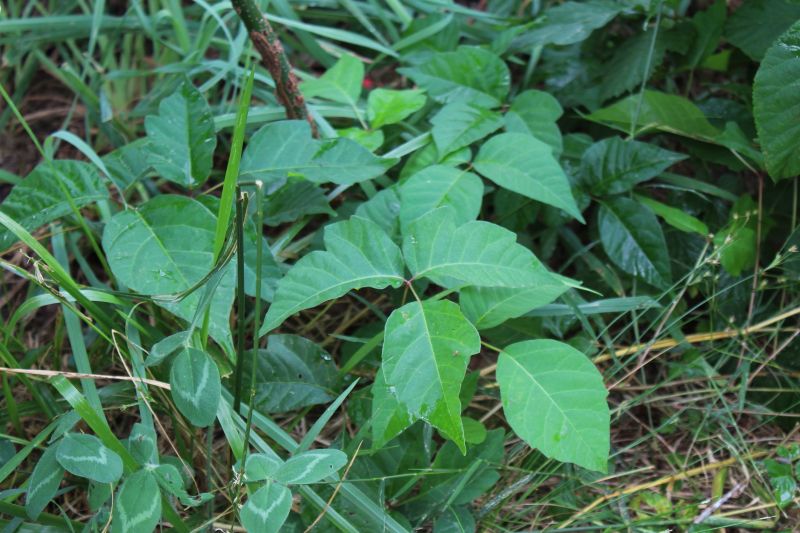
Poison Ivy Removal Questions
What is poison ivy removal? Poison ivy removal involves safely eliminating the plant to prevent skin irritation and other health risks on residential or commercial properties.
Why should poison ivy be removed? Removing poison ivy reduces the risk of skin contact, allergic reactions, and prevents the spread to other areas of the property.
What types of properties typically require poison ivy removal? Properties with landscaped yards, gardens, parks, and outdoor recreational areas often need poison ivy removal to maintain safety and aesthetics.
Is poison ivy removal safe for pets and children? Yes, proper removal methods ensure that the plant is safely removed, minimizing exposure risks for pets and children.
Request Poison Ivy Removal in Philadelphia, PA
Use the quote form on this page to share the basics of your project and request more information for the type of work you need.